
Two completely different things that are often mixed up
If you have tummy trouble, bloating or run to the toilet just a little too often after milk or cheese, you will soon hear the word lactose intolerance. But maybe something else is at play: cow's milk intolerance. The names are similar, the complaints sometimes too, but the cause and approach differ considerably. In this blog, we explain it razor-sharp, with practical examples and clear signposts.
The difference with lactose intolerance
If you have tummy trouble, bloating or run to the toilet just a little too often after milk or cheese, you soon hear "lactose intolerance." Sometimes something else comes into play: cow's milk intolerance. The names are similar, the symptoms may overlap, but the cause and approach really differ.
| Section | Lactose intolerance | Cow's milk intolerance |
|---|---|---|
| What triggers | Milk sugar (lactose) | Milk proteins (casein, whey) |
| Mechanism | Shortage of lactase as a result of which lactose is not properly broken down | Sensitivity response On protein, no classical allergy |
| Typical timing | Quick: often inside 30-120 min upon ingestion | Delayed: sometimes pass hours or the next day |
| Most common complaints | Bloated abdomen, gas, cramps, sometimes diarrhea | Abdominal pain plus fatigue, headache, skin complaints, dip in concentration |
| Examples that often trigger | Milk, custard, cream, fresh and young cheeses, ice cream | All products with cow's milk protein: milk, yogurt, cheese, cream and processed foods containing milk components |
| What helps | Lactose-free choose whether lactase use | Avoiding cow's milk protein, vegetable alternatives |
Lactose intolerance: reaction to milk sugar
Lactose intolerance is all about lactose, the milk sugar in dairy products. You are partly missing the enzyme lactase to break down that sugar into glucose and galactose. As a result, lactose enters the colon undigested, where bacteria ferment. That gives especially flatulence, cramps, abdominal bloating and sometimes diarrhea, often within 30 to 120 minutes after eating or drinking. What usually helps: lactose-free dairy or lactase around meals because then you avoid or still break down the sugar. Read more: What is lactose intolerance, What does lactase do, and practical use in What are lactose intolerance pills.
Cow's milk intolerance: reaction to milk proteins
In cow's milk intolerance, the problem lies with the milk proteins (such as casein and whey). It is not a classic allergy with antibodies, but rather a sensitivity reaction in digestion and metabolism. The symptom picture is often wider: in addition to abdominal complaints fatigue, headache, skin complaints or dip in concentration. The timing is regularly delayed and can only hours or the next day play up. What helps is avoid cow's milk proteins and opt for plant-based alternatives. Lactose-free is usually not a solution here, as the proteins remain. Read more: What is cow's milk intolerance.
Summary and next step
Sugar vs. protein is the bottom line: lactose intolerance responds to lactose, cow's milk intolerance on milk proteins. Doubting what's going on with you? Test it structured and step by step with a rest period and two focused trials, so you check one variable at a time. Useful roadmap: How to test whether or not you can tolerate cow's milk well.

What is lactose intolerance
Lactose is the natural sugar in milk. In order to absorb it, the enzyme lactase lactose into two smaller pieces. Make your insufficient lactase, then lactose remains undigested. Intestinal bacteria enter the ferment and produce gas and acids. You can feel that as flatulence, bloated belly, abdominal cramps and sometimes diarrhea. Often within 30 to 120 minutes After eating or drinking.
Good to know: you can often still do a lot with lactose-free dairy or with lactase supplements for occasionally. Read the background here: What does lactase do and the practical guide: What are lactose intolerance pills.
What is cow's milk intolerance
At cow's milk intolerance the problem is not in the sugar, but in the proteins from cow's milk. Your immune system doesn't have to immediately sound the alarm as it does with a allergy, but your body reacts hypersensitive. Complaints are often wider and delayed: in addition to abdominal complaints fatigue, headache, skin complaints and concentration dip. Sometimes you don't notice it until hours or one day later.
Cow's milk intolerance is usually solved by avoid cow's milk proteins. Also lactose-free dairy doesn't help then, because that's where the proteins still in. Read more: What is cow's milk intolerance.
Do you hesitate between intolerance and allergy. Then read: What is the difference between cow's milk allergy and cow's milk intolerance.

The main differences at a glance
Cause
With lactose intolerance, the problem lies with the sugar in milk: there is a deficiency of the enzyme lactase that is supposed to break down lactose. Cow milk intolerance, on the other hand, revolves around the proteins in milk, such as casein and whey, to which your digestive system can react sensitively.
Complaints
Lactose intolerance mainly causes intestinal symptoms: gas, cramps, a bloated abdomen and sometimes diarrhea. Cow's milk intolerance often shows a broader picture, with fatigue, headaches or skin problems in addition to abdominal complaints.
Timing
Complaints due to lactose intolerance usually appear quickly, often within 30 to 120 minutes of ingestion. With cow's milk intolerance, symptoms frequently appear delayed, sometimes not until several hours or even a day later.
What can you still
With lactose intolerance, you can often get by just fine with lactose-free dairy, hard aged cheeses and lactase pills where necessary. With cow's milk intolerance, it is wiser to avoid cow's milk protein and choose plant-based alternatives.
How to discover what suits you
Start with a rest period without cow's milk and lactose until your tummy is calm, and keep a food diary at. Then test one variable at a time: first a lactose test with a small portion of lactose without cow's milk protein (e.g. goat's or sheep's milk/yogurt). Take again rest, and then do a milk protein test with lactose-free cow's milk or lactose-free yogurt. Hold the test pure: do not test both on one day, use similar portions and times, do not change anything else in your menu, and note everything consistently. Switch your general practitioner or dietician in case of doubt or severe symptoms.
The full roadmap is here: How to test whether or not you can tolerate cow's milk well.
Please note: I am not a doctor and do not give medical advice. Everything you read is based on my own experience and collected research. In doubt? If so, always contact a doctor or specialist.
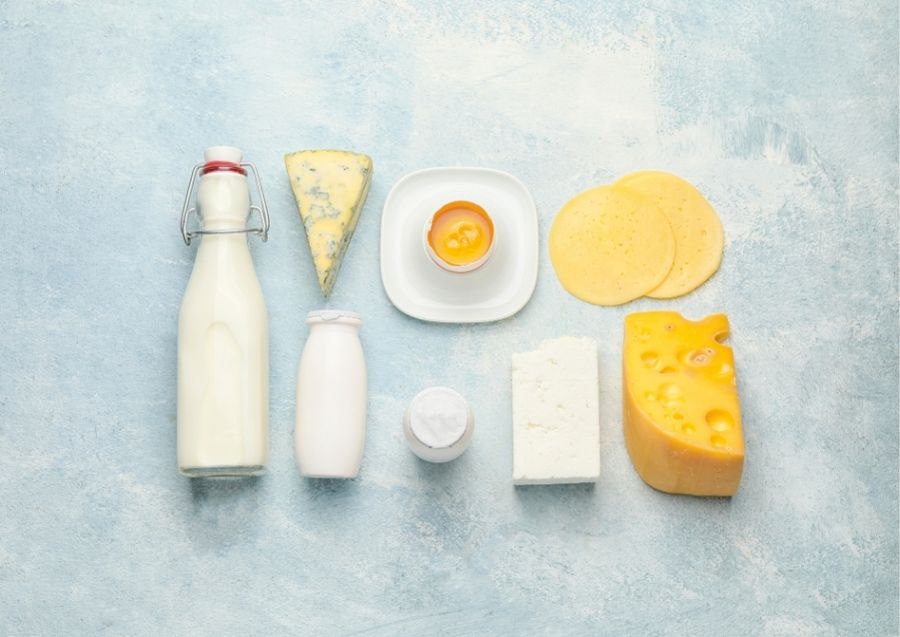
What can you eat for lactose intolerance
With lactose intolerance, you can often do just fine with lactose-free dairy, such as milk, yogurt, custard and (cooking) cream. In these products, the lactose is broken down beforehand, making them well tolerated by many people. In addition hard, aged cheeses regularly better tolerated because they contain little lactose due to the ripening process. A handy overview can be found in: Which cheeses contain high or low levels of lactose.
For situations where you're not sure if there is lactose in a dish, you can lactase supplements help; you use those right before or at the first bite. Read more in: What are lactose intolerance pills. If you want to avoid dairy, choose plant-based alternatives such as oats, soy, almond or coconut. Taste what suits you and build up slowly. So listed:
- Lactose-free dairy such as milk, yogurt, custard, cream.
- Hard cheeses with little lactose. See: Which cheeses contain high or low levels of lactose.
- Lactase supplements For times when you're not sure what's in the food. Read: What are lactose intolerance pills.
- Plant-based alternatives such as oats, soy, almond or coconut.
What can you eat for cow's milk intolerance
Cow's milk intolerance is all about the milk proteins. Therefore, at a basic level, choose plant-based alternatives such as oats, soy, almond or rice. Preferably go for varieties with added calcium and vitamin D, so you come out nutritionally sound. Lactose-free dairy is usually not a solution here because the milk proteins remain.
Finally, note hidden dairy in sauces, snacks and processed meats, for example. Reading labels helps to recognize milk ingredients (such as milk powder, whey or casein). Practical tips can be found in: Check the ingredient list. So enumerated:
- Plant-based alternatives: oats, soy, almond, rice. Choose variants with added calcium and vitamin D.
- Lactose-free dairy is usually no solution, the proteins remain present.
- Note hidden dairy in sauces, snacks and meats. Assistance needed. See: Check the ingredient list.
Frequently Asked Questions
What is the difference between lactose intolerance and cow's milk intolerance
Lactose intolerance is about lactose. Your body does not make enough lactase To digest lactose. Cow's milk intolerance is about milk proteins such as casein and whey. With lactose, avoiding or breaking down lactose helps; with cow's milk intolerance, avoiding milk proteins helps.
How to recognize lactose intolerance versus cow's milk intolerance
At lactose intolerance you often see intestinal complaints such as gas, cramps, bloating and sometimes diarrhea. At cow's milk intolerance other signs may appear in addition to abdominal symptoms, such as fatigue, headaches, skin complaints or difficulty concentrating.
How soon do you get symptoms with lactose intolerance and with cow's milk intolerance
At lactose complaints usually arise within 30 to 120 minutes. At cow's milk intolerance complaints may occur later, sometimes not until hours or a day after consumption.
How do I test the difference between lactose and milk protein sensitivity
First, take a rest period and hold a food diary at. Then test separately: 1. one serving with lactose but without cow's milk protein. 2. After halftime a serving with milk protein but lactose-free. Compare your responses. Do not do this on the same day and use similar portions.
Is lactose-free milk suitable for cow's milk intolerance
No. Lactose-free milk still contains milk proteins. With cow's milk intolerance, the sensitivity is precisely about those proteins. In that case, prefer to choose plant-based alternatives.
Do lactase supplements help with cow's milk intolerance
Lactase only breaks lactose af. With cow's milk intolerance, the following play a role milk proteins a role. Thus, lactase supplements do not help with this.
Can you have lactose intolerance and cow's milk intolerance at the same time
Yes, you can. Some people respond both to lactose as on milk proteins. In that case, it is necessary to avoid or limit both.</
Continue reading at NooMooo
- Basic explanation: What is lactose intolerance
- Deepening on milk proteins: What is cow's milk intolerance
- Mechanism in your gut: What does lactase do
- Deciphering labels: Check the ingredient list
- Choosing cheese without the tummy hassle: Which cheeses contain high or low levels of lactose
- Smart takeaway: What are lactose intolerance pills

Together the peace back in your belly
Whether it is lactose goes or to milk proteins, with some knowledge and structure you will come a long way. Test calmly, listen to your body and choose the route that suits you. On NooMooo you will find honest explanation, familiar stories and practical tips in one place.
Note. This blog is informational. I am not a doctor and do not give medical advice. If in doubt, contact your doctor or dietitian.

 Nederlands
  English
  Español
  Deutsch
  Français
  Italiano
Your reading tip for now
Blog Lactose
Is there lactose in egg?
The short answer is no You're standing in the kitchen, breaking an egg over the...
Aug
Blog Cow's Milk Lactose
Why your tummy might say 'no' to cow's milk
From lactose to protein and exorphins: this is what cow's milk does to your body Cow's milk. For the...
Aug
Blog Lactose
Symptoms of lactose intolerance in children
Recognize the signs and help your child without tummy troubles Your child complains after yogurt about...
May
Lactose Blog Cow's Milk
Cow's milk-free or lactose-free search on Amazon
Smart search, helpful filters and three nudges to get started First, the...
May
Blog Lactose
What is lactose?
Short and sweet: all about lactose in plain language Lactose is the natural sugar in...
Jun
Blog Lactose
Is ghee lactose-free? Clear explanation
Ghee, often called clarified butter in Dutch and known internationally as clarified butter, has...
Sep