
Recognize the signs and help your child without tummy troubles
Your child complains of abdominal pain after yogurt or gets diarrhea after ice cream. Coincidence, or does lactose intolerance play a role? Here's what lactose intolerance in children is, what signs are common by age, how to distinguish it from other milk problems and what you can do today.
What is lactose intolerance in children
Lactose is milk sugar. To digest lactose, the body uses the enzyme lactase. If there is too little lactase, lactose remains undigested and symptoms such as gas, cramps, a bloated belly and diarrhea can occur. More background can be found in What does lactase do and the basic explanation in What is lactose intolerance.
Lactose intolerance can be primary, where the production of lactase gradually decreases, or secondary, such as after a stomach flu or when the intestinal wall is temporarily irritated. Secondary forms often recover when the intestine calms down.

Typical symptoms by age
Lactose intolerance can occur at any age, but the manifestation varies by stage.
Infants (0-12 months)
In infants, you are more likely to see thin, acidic stools with diaper rash, lots of gas and stomach cramps, or restless drinking where your baby wants to get off breast or bottle quickly. True, congenital lactose intolerance is rare in the first year. Complaints are then more often the result of cow's milk allergy or a sensitivity to milk protein.
- Thin, acidic stools and diaper rash After dairy in bottle or supplemental feeding.
- Lots of gas and abdominal cramps.
- Restless drinking Or quickly wanting to get off the breast or bottle again.
Toddlers and preschoolers (1-4 years)
Many children experience abdominal pain shortly after dairy with rumbling bowels, bloating and flatulence. The stools may vary: sometimes diarrhea, sometimes just a little staler. Complaints often occur after milk, custard or soft cheese; a small splash in the porridge can be enough.
- Abdominal pain and rumbling bowels shortly after dairy.
- Bloated belly and flatulence.
- Diarrhea or just changing disl
School children (4-12 years old)
At this age, you see clearer patterns. For example, cramps and toilet urges occur after the 10 o'clock hour with milk or dessert. Some children have a dip in concentration or get tired faster when the stomach is restless, or get stomach aches after exercise when dairy was drunk just before. In older children, you see clear patterns: complaints after ice, milkshakes, pancakes or pizza with lots of cheese.
- Cramps and toilet urge After the 10-hour snack with milk or after a dessert.
- Fatigue or concentration-dip after lunch when the stomach is restless.
- Abdominal pain after sports If dairy was drunk just before.
Note
The signs mentioned may also fit other causes (such as cow's milk allergy or a sensitivity to milk proteins). In case of severe or persistent symptoms, weight loss, or blood/mucus in the stool: always contact your doctor.
Lactose intolerance can primary are, in which the production of lactase gradually decreases, or secondary, for example, after a stomach flu or with an irritated intestinal wall. Secondary forms often recover when the intestine calms down.

Why do these complaints arise
Without sufficient lactase remains lactose left in the intestines. Bacteria enter the ferment. That provides gas and acids on that excite the intestinal wall. Results: flatulence, cramps, swollen belly and sometimes diarrhea. If you want the mechanism step by step, read What does lactase do.
How to differentiate from other milk problems
It helps to know first what your body is reacting to: sugar or protein. Look at the type of symptoms and when they occur, because they often give direction. With that picture you can test and choose what works for you.
- Lactose intolerance: response to lactose. Complaints especially gut-related.
- Cow's milk intolerance: response to milk proteins. Complaints may be broader, such as skin or fatigue. Read: What is cow's milk intolerance.
- Cow's milk allergy: immune system responds. Sometimes skin rash, tightness or violent responses. See: Difference between cow's milk allergy and cow's milk intolerance.
When to see a family doctor
Don't linger with worry if symptoms are severe or don't go away. Signs such as weight loss, growth retardation, blood or mucus in the stool deserve prompt attention. If you are unsure between allergy and intolerance, get advice from your doctor.
- If complaints fierce his or your child's wastes or bad growth.
- At blood or mucus in the stool.
- If complaints persist despite adjustments.
- When in doubt between allergy and intolerance.
The physician can think along about a elimination and reintroduction or, if appropriate, a breath test in later life.
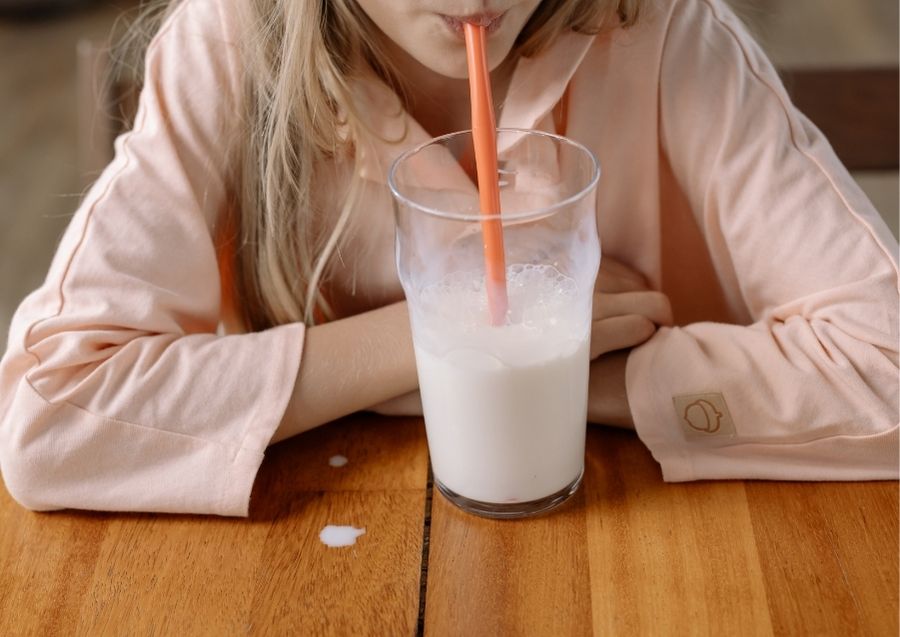
What can your child eat
Lactose-free dairy
Many products come in a lactose-free variety, such as milk, yogurt, custard and cooking or whipping cream. In these, the lactose has been broken down beforehand, so it is often better tolerated. Try a few brands if necessary to see which taste and texture your child likes best.
Plant-based alternatives
Drinks and yogurt substitutes made from oats, soy, almond or rice are naturally lactose-free. Preferably choose varieties with added calcium and vitamin D so your child gets nutrients that would otherwise come from cow's milk. Pay attention to the label and preferably go for unsweetened options to avoid unnecessary sugars.
Low lactose cheeses
Many old, hard cheeses contain hardly any lactose due to the aging process. Small portions are therefore regularly well tolerated with lactose intolerance. Check what suits your child and build up slowly. You can find a handy overview in Which cheeses contain high or low levels of lactose: https://noomooo.com/nl/welke-kazen-bevatten-veel-of-juist-weinig-lactose/.
Butter and ghee
Regular butter and especially ghee usually contain very little lactose. Start with a small amount and see how your child reacts. Keep it simple: write down what you use and how it goes so you can easily adjust.
Tips for school and daycare
Sports: quiet for the belly, plenty of energy for the body
Many children especially get symptoms from liquid dairy just before exercise. Give water in a water bottle or, if that works well, a small packet of lactose-free milk or plant-based drink. A light snack often works fine: a banana, a rice cake with peanut butter or a sandwich with hummus. After exercise is a better time for protein: for example, choose lactose-free yogurt or soy curd, a boiled egg, or a sandwich with chicken breast. Pay attention to school rules around nuts; if so, choose nut-free alternatives.
Always bring something suitable: make it kid-friendly and practical
Set out a set “take-home set” that your child understands and likes on his or her own. Consider: a small packet of lactose-free milk or plant-based drink, a squeeze bag of fruit puree, raisins, popcorn without butter flavoring, a granola bar without milk, or a few rice or corn waffles with a loose tub of hummus. Label the drink clearly with “lactose-free” or “plant-based.”.
At home, practice a short sentence that allows your child to self-identify what is acceptable: “I'm allowed lactose-free; I have my own snack with me.” That way you avoid stress at the table or during outings.
School and BSO: short, clear and helpful
Give teacher and BSO a brief explanation with concrete examples. Write on one card: what can be done, what would rather not be done, and what to do if you make a mistake. For example:
- Well: lactose-free dairy, plant-based drinks, bread with chicken breast or hummus, fruit, popcorn without butter flavoring, aged cheese in small portions (only if that goes well at home).
- Do not: plain milk, creamy desserts, ice cream, soft cheeses.
- Still lactose by mistake? Just let us know. And let ‘name child’ drink water quietly, sit for a while and indicate that he can go to the toilet without notice.
Offer to put a small supply of “safe” snacks in the classroom. This takes pressure off school and prevents disappointment for your child.
Treats and parties: choice without the hassle
Keep a small “party box” with shelf-stable options that don't melt and that your child likes: raisins, butter-flavored popcorn, dark-chocolate-coated rice cakes without milk, lactose-free cookies, fruit puree in a squeeze bag. Change monthly so it stays fun.
If possible, ask parents who treat to send a picture of the label and practice label reading at home with your child in a playful way, for example, “find the word milk.”.
About lactase supplements in children
Lactase at tablet or drops can help if your child occasionally wants something with lactose or if you eat out. Choose a shape and strength appropriate to portion and age. More on that: What are lactose intolerance pills. This only helps against lactose, not against milk proteins.

Common mistakes
- Lactose-free dairy confuse with vegetable. Lactose-free is still dairy.
- Thinking that all cheese high in lactose contains. Many old cheeses are correct arm to lactose.
- Eggs avoidance. An egg contains no lactose. Read: Is there lactose in egg.
Frequently asked questions about lactose intolerance in children
What is lactose intolerance in children
Lactose intolerance in children means not enough lactase is made to lactose digest well. Undigested lactose enters the large intestine where it is broken down by bacteria. This can cause gas, cramps, a bloated belly and sometimes diarrhea.
What symptoms indicate lactose intolerance by age
At babies: thin, sometimes sour stools, diaper rash, lots of air in the belly and restless drinking. At toddlers and preschoolers: abdominal pain, bloating, flatulence and fluctuating stools. At schoolchildren: cramps, sudden urges and sometimes difficulty concentrating after eating dairy-rich meals.
How to distinguish lactose intolerance from cow's milk intolerance or cow's milk allergy
Lactose intolerance especially gives intestinal complaints due to problems digesting milk sugar. Cow's milk intolerance involves a response to milk proteins and can cause fatigue or skin problems in addition to abdominal discomfort. Cow's milk allergy is a response from the immune system and can cause severe symptoms, such as skin rashes, swelling or tightness of the chest.
From what age can lactose intolerance occur
At babies congenital lactose intolerance is very rare. Often complaints do not arise until toddler or preschool age, sometimes temporarily after a stomach flu or intestinal infection. As the intestinal wall recovers, the symptoms may disappear again.
When do I take my child to the doctor's office
See your doctor in case of severe or persistent complaints, at weight loss or growth retardation, at blood or mucus in the stool or if you are unsure between intolerance and allergy. A physician may recommend examination or testing.
How to safely test lactose intolerance at home
You can temporarily avoid lactose and then reintroduce small amounts. Record the reactions in a food diary and always give the body 24 to 48 hours to respond. With young children, always do this in consultation with a doctor or dietitian.
What can my child eat with lactose intolerance
Lactose-free dairy such as milk, yogurt and cream. Plant-based alternatives such as soy, oat or almond drinks with added calcium and vitamin D. Hard, aged cheeses often contain little lactose and are sometimes tolerated.
Is yogurt better tolerated than milk in children
In some children, yes. By the fermentation process yogurt contains less lactose than milk. It is still important to see how your child responds to it and build up small amounts slowly.
Help lactase drops or tablets in children
Lactase can help with meals containing lactose, especially outdoors or on special occasions. It works only against lactose and not against milk proteins. Always use a form appropriate for the child's age and consult with a doctor if necessary.
Is there lactose in breast milk
Yes. Breast Milk naturally contains lactose. If a baby has symptoms, it is usually not due to lactose intolerance but there may be another cause, such as cow's milk allergy. Always consult with a doctor when in doubt.
Does lactose intolerance in children pass
At a temporary lactose intolerance, such as after a stomach flu, symptoms often disappear as the bowel recovers. In other forms, tolerance may improve, so small amounts are better tolerated. This varies from child to child.
Which alternatives provide enough calcium for children
Lactose-free dairy and vegetable drinks with added calcium and vitamin D are good choices. In addition vegetables such as broccoli and kale, as well as nuts and legumes, contribute to calcium absorption.
From what age can lactose intolerance occur
Complaints can occur at toddler age already show, especially after a stomach flu. In babies, true lactose intolerance is rare. When in doubt, consult with your doctor.
Does lactose intolerance pass in children
Some children tolerate again after a while small amounts. At secondary intolerance after a stomach flu, symptoms often disappear as the gut recovers.
Is there lactose in breast milk
Yes, breast milk contains lactose. If your baby has symptoms, check with your doctor about the root cause. In infants cow's milk allergy a common culprit.
Help lactase drops in babies
There are lactase drops for bottle feeding. Always consider this in consultation with your doctor or pediatrician.
Is yogurt more tolerable than milk
Sometimes they do. By fermentation less lactose is present. Choose differently lactose-free yogurt.
What alternatives provide sufficient calcium
Select lactose-free dairy or vegetable drinks with added calcium and vitamin D. Combine with vegetables, nuts and legumes.
Signposts on NooMooo
- Explanation and basics: What is lactose intolerance
- Proteins versus sugars: What is cow's milk intolerance
- Allergy or intolerance: Difference between cow's milk allergy and cow's milk intolerance
- Eating without guesswork: Check the ingredient list
- Choosing cheese: Which cheeses contain high or low levels of lactose
- Resource on outings: What are lactose intolerance pills
Together
Every child is different. Keep looking at what your child needs, build up slowly and keep it fun at the table. On NooMooo, you'll find honest explanations, recognizable stories and practical tips so your family can without tummy trouble can enjoy.

 Nederlands
  English
  Español
  Deutsch
  Français
  Italiano
Your reading tip for now
Cow milk-free recipes Lactose-free recipes Recipes Vegan recipes
Vegetarian curry with cauliflower and chickpeas
Creamy, spicy curry with cauliflower and chickpeas - easy, plant-based and full of flavor.
Jun
Blog Cow's Milk
Recognizing Cow's Milk Intolerance: Here's How to Find Out
Do you experience stomach discomfort after consuming dairy? Learn how to determine if you have a cow's milk intolerance step by step using an elimination diet,...
Aug
Blog Lactose
Lactose-intolerantie op vakantie naar de VS: zo kies je zeker
Op vakantie naar de VS met lactose-intolerantie? Praktische tips voor koffiebars, hotelontbijt, uit eten, supermarkt...
Sep
Blog Cow's Milk
How do I know if I'm lactose intolerant?
Twijfel je of koemelk of lactose je reflux verergert? Ontdek hoe je met een korte...
Jun
Blog Cow's Milk
Skin Reactions and Itching Due to Cow's Milk Intolerance: Here's How to Deal With It
Are you wondering if your skin reactions and itching are related to cow's milk? Find out how to calmly...
Jul
Cow milk-free recipes Lactose-free recipes Recipes
Salmon in Lemon-Garlic Sauce with Potatoes
Fresh salmon in a creamy lemon-garlic sauce with baby potatoes—quick to make in a single pan and without cow's milk.
Jul