
And why it is so much more than a bloated belly
Cow's milk intolerance is a term you may have come across during your search for the cause of vague symptoms. And fair is fair: it's not an official medical diagnosis, but that doesn't make the symptoms any less real. In this blog, we explain what cow's milk intolerance means, how it differs from cow's milk allergy and lactose intolerance, and what it can do to your body.

What exactly is cow's milk intolerance?
At cow's milk intolerance your body reacts sensitively to certain substances in cow's milk, usually the milk proteins. Consider casein and whey proteins. Your immune system doesn't necessarily go into action like an allergy, but your digestion and metabolism can get pretty confused. So it is not an allergy, but rather a hypersensitivity reaction.
Symptoms that may accompany it
Symptoms are often more vague than in allergy. Common symptoms are:
- Bloated belly: as if you were suddenly five months pregnant
- Abdominal pain or cramps: sometimes immediately, sometimes not until hours later
- Alternating stools: from constipation to diarrhea
- Nausea: especially after eating dairy products
- Fatigue: as if your battery is always half empty
- Concentration problems: your head is full of cotton wool
- Skin Problems: eczema, pimples or red spots
- Headache or migraine: unexplained seizures after dairy
Not everyone gets the same symptoms, and the severity varies from person to person. That is precisely what makes it so difficult to recognize.
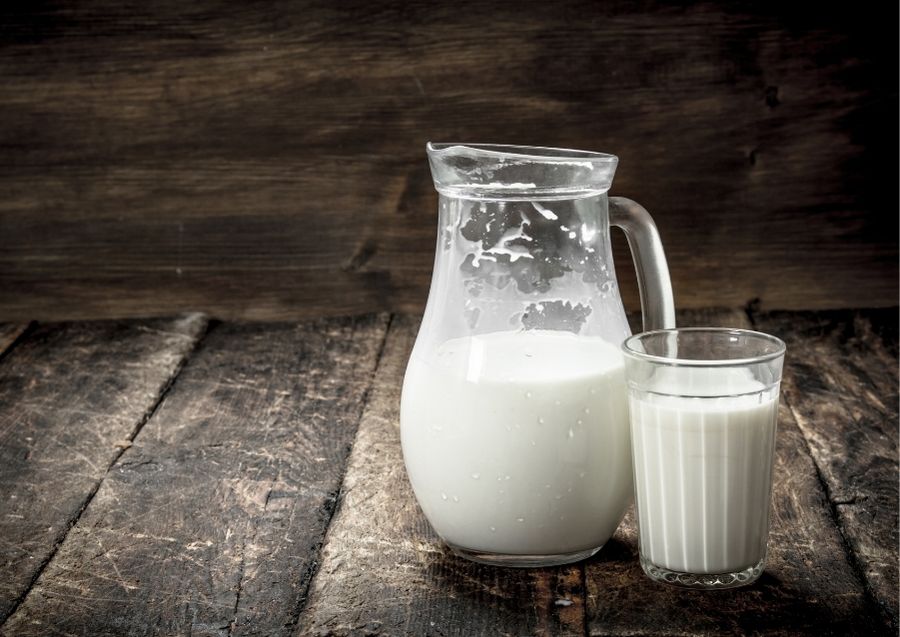
How is it different from cow's milk allergy?
Cow milk allergy and cow milk intolerance are often confused, but they are really different.
Cow's milk allergy
A cow's milk allergy is a reaction from you immune system. Your body sees the proteins in milk as a threat and makes antibodies. This can cause severe reactions such as hives, tightness or even a anaphylactic shock. Cow's milk allergy occurs mostly in infants and young children, and is usually diagnosed through an allergy test.
Cow's milk intolerance
At cow's milk intolerance there is no immediate immune response. The symptoms are different and more delayed and often do not arrive until hours or even a day later. As a result, it is often overlooked.
Want to know more about allergies? Read the blog: What is the difference between cow's milk allergy and intolerance?
What about lactose intolerance?
Lactose intolerance deals with a deficiency of the enzyme lactase, making your body milk sugar (lactose) cannot digest properly. This can lead to flatulence, cramps and diarrhea.
At cow's milk intolerance is the problem mainly in the proteins, not in the sugars. You can eat lactose-free and still have symptoms if you do ingest milk protein.
Curious about lactose? Read: What is lactose intolerance?
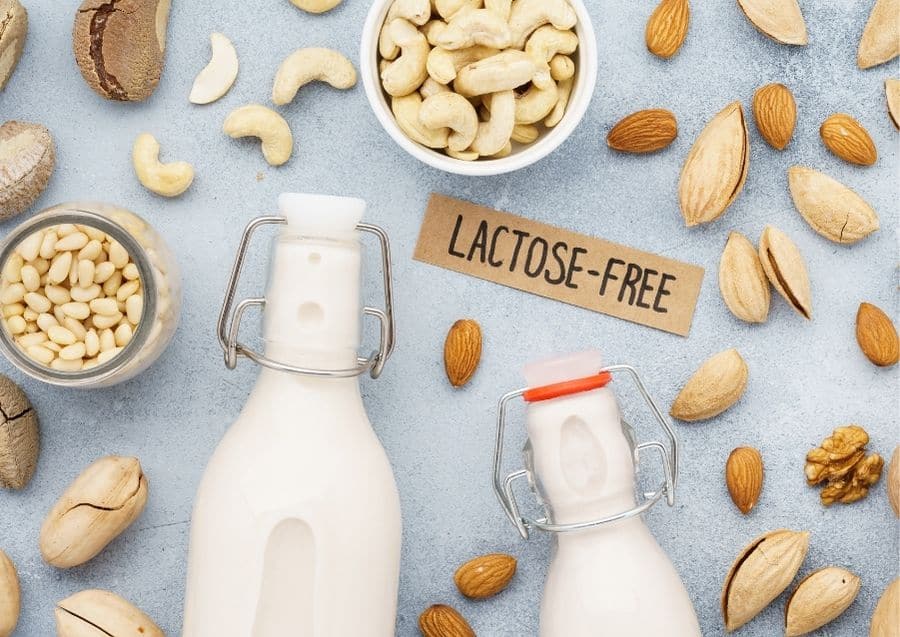
How do you know if you have it?
Cow's milk intolerance is difficult to determine with a test. You can often find out by temporarily (say, 4 weeks) eat cow's milk free and pay close attention to your symptoms. Do you feel better without cow's milk? Then chances are you are sensitive to it.
It helps to create a food diary keep track and note when you have symptoms, what you ate and how you felt. In this way, you will slowly but surely gain insight into your own pattern.
What can you do for cow's milk intolerance?
The only real solution at cow's milk intolerance is: avoid cow's milk. Fortunately, there are more and more tasty plant-based alternatives. Consider oat milk, almond yogurt, vegan butter, vegetable cheese... The supermarket is well stocked here these days (thankfully).
Note hidden dairy. Cow's milk is often hidden in products where you wouldn't expect it, such as:
- Stock cubes
- Cheese flavored chips
- Ready-made sauces
- Bread spreads such as filet americain
So always check the ingredient list and learn to recognize what is included in milk, such as milk powder, whey powder or casein. Find out more about checking ingredients in our blog: Check the ingredient list: what is included in milk?

Also see: Which cheeses contain high or low lactose?
You are not crazy. And you are not alone.
Many people walk around for years with vague complaints with no obvious cause. They are sent from pillar to post, given stamps such as “irritable bowel” or “stress” and feel misunderstood. If you recognize yourself in this: you are not alone. And you don't imagine it.
At NooMooo we collect honest stories, practical tips and reliable information in one place. So you don't have to figure everything out yourself.
Also read: Why your tummy might say 'no' to cow's milk
Do you want to know which products you can eat safely? Or how to adjust your diet without stress? Please continue to browse the site, you are right at home here. I hear you.
What is cow's milk intolerance
Cow's milk intolerance is a sensitivity to milk proteins, such as casein and whey. Here, the immune system does not react directly as in the case of an allergy, but the digestive system can give symptoms. Thus, it involves a hypersensitivity, no allergy.
What are the symptoms of cow's milk intolerance
Possible complaints are a bloated belly, abdominal pain, fluctuating stools, flatulence, fatigue, headache, concentration problems and sometimes skin complaints. The symptoms and severity vary from person to person.
What is the difference between cow's milk intolerance and cow's milk allergy
At cow's milk allergy reacts it immune system on milk proteins and acute symptoms such as skin rashes or tightness of the chest may occur. At cow's milk intolerance there is no immune response and symptoms often arise delayed in digestion.
What is the difference between cow's milk intolerance and lactose intolerance
Lactose intolerance comes from a lack of lactase, the enzyme that breaks down lactose, and especially gives intestinal complaints. At cow's milk intolerance The cause lies with the milk proteins. As a result, even without lactose, you can still get symptoms from cow's milk products.
Is cow's milk intolerance an official diagnosis
Cow's milk intolerance is not an official medical diagnosis. It is often used as a term to describe a sensitivity to milk proteins describe. Complaints can be real and bothersome, even without a formal label.
How do I know if I have cow's milk intolerance
There is no direct test. Often a elimination and reintroduction applied: completely without cow's milk for a period of time and then add back in step by step. By keeping track of symptoms in a food diary, you can discover connections.
Does lactose-free dairy help with cow's milk intolerance
Not always. Lactose-free dairy still contains milk proteins. Cow's milk intolerance involves precisely these proteins, which is why symptoms can persist despite the removal of lactose.
Which products often contain hidden cow's milk
Cow's milk can occur in stock cubes, flavored chips, ready-made sauces, processed meats and spread. Note ingredients such as milk powder, whey powder and casein.
What can I eat for cow's milk intolerance
Good options are plant-based alternatives such as soy, oat and almond drinks, plant-based yogurt, margarine and vegan cheese. Many pure products such as vegetables, fruits, grains, meat, fish and legumes are also naturally free of cow's milk.
How to recognize milk on the label
Check the ingredient list for terms such as milk, milk powder, whey, whey powder, casein or milk ingredients. Often, under Allergens clearly stated: “Contains milk.”.

 Nederlands
  English
  Español
  Deutsch
  Français
  Italiano
Your reading tip for now
Blog Cow's Milk
Cow's Milk Intolerance and Research: What Does It Mean for You?
What do studies say about A1 and A2 proteins in milk and cow's milk intolerance? A balanced overview and...
Aug
Blog Cow's Milk
Kan kruidenboter met koemelk-intolerantie? Zo kies je zeker
Twijfel je over kruidenboter bij koemelk-intolerantie? Ontdek wat erin zit, hoe je etiketten leest en...
Jul
Cow milk-free recipes Lactose-free recipes Recipes
Chicken broccoli cashew stir fry
Quick chicken broccoli cashew stir fry with soy sauce and crunchy nuts. Ready within 15 minutes and...
May
Blog Cow's Milk
Koemelk-intolerantie en lactase-suppletie: wat werkt in de praktijk?
Wat zeggen studies over koemelk-intolerantie en lactase-suppletie, en wat kun je daar thuis nuchter en...
Aug
Blog Cow's Milk
Koemelk-intolerantie in het dagelijks leven: zo begin je
Praktische tips om stap voor stap koemelkvrij te kiezen in koffie, boodschappen, uit eten en...
Aug
Blog Cow's Milk
Cow's Milk Intolerance When Hosting or Visiting: How to Make It Work Together
Koemelk-intolerantie bij visite of op bezoek? Met simpele koemelkvrije menu-ideeën, etikettentips en back-ups houd je...
Jul