
Goat cheese is seen everywhere. In salads, on pizza, with drinks and in quiches. If you want to limit lactose or avoid milk protein, you want to know where you stand. Get the clear answer here.
In brief
Goat's milk and lactose Goat cheese is not lactose-free. However, it is often better tolerated than many young cow's milk cheeses because many goat cheeses mature longer and therefore contain less residual lactose.
Goat's milk and cow's milk intolerance Goat's milk is not cow's milk. It goes well for some people with cow's milk intolerance. Stay tuned, because regularly someone reacts to both cow and goat. For me, this goes well, but that is not automatically true for everyone.
Goat's milk and cow's milk allergy Goat milk or goat cheese is not a suitable alternative if you have a cow's milk allergy. The proteins are very similar to cow's milk protein and can also cause an allergic reaction. If you have an allergy, consult with your doctor or dietician.
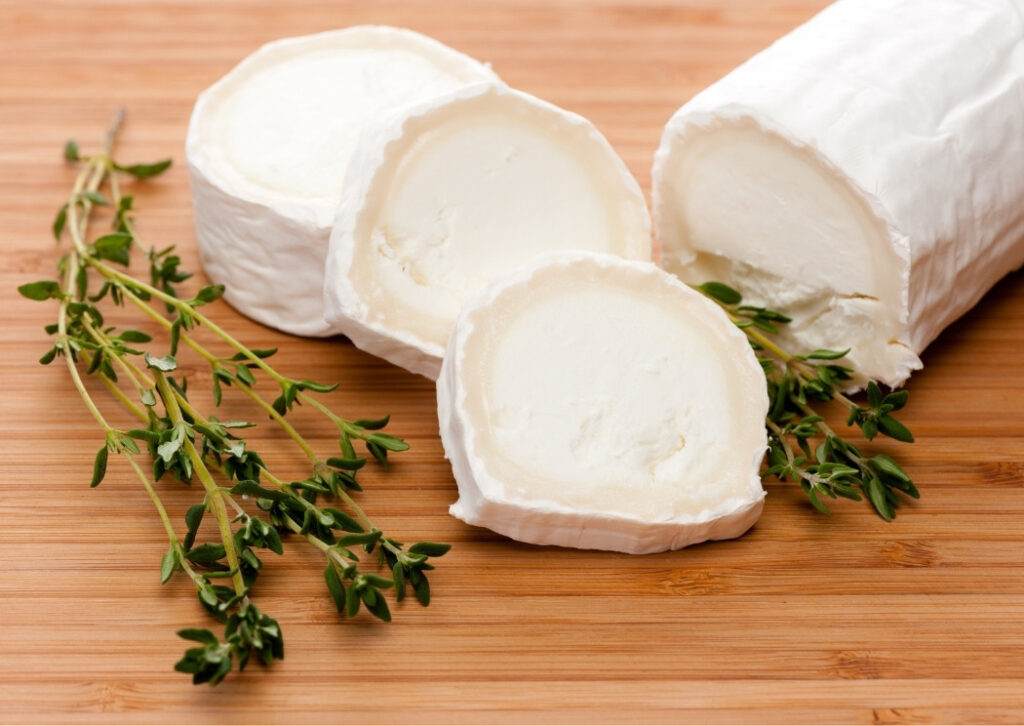
Lactose and ripening
Lactose is milk sugar. During aging, lactic acid bacteria partially convert lactose and cheese loses moisture. As a result, less residual lactose remains in well-matured cheeses. Soft, fresh goat cheeses usually contain more lactose. Hard, pronounced goat cheeses tend to be the quietest. That mechanism applies equally to cow cheese. The deciding factor is your portion and maturity, not the species alone.
Reading labels without the hassle
First, look at the allergen box. If you see ‘contains milk,’ that says something about milk protein, not about the exact amount of lactose. The nutrition chart gives a hint: if ‘of which sugars’ says around 0 g per 100 g, then residual lactose is usually low. When in doubt, choose a longer aged variety and keep the portion small. Handy to have on hand: reading labels for milk ingredients and the difference lactose versus milk protein. Wondering what lactase exactly does, we explain briefly.

Intolerance testing without stress
Intolerance is all about thresholds. Choose a dish in which cheese has a supporting role. Have twenty to thirty grams of well aged goat cheese and listen to your body for a few hours. Plan a rest day. Repeat. If it goes well, build up slowly. If it doesn't fit, then you know it and choose lactose-free dairy or plant-based. That way you keep an overview and food stays relaxed.
Allergy requires a different approach
With a cow's milk allergy, you react to milk protein. The proteins in goat's milk are very similar to those in cow's milk and can cross-react. Therefore, goat milk or goat cheese is not a safe detour. Discuss your options with your doctor or dietitian. If symptoms are severe or persistent, that includes medical evaluation.
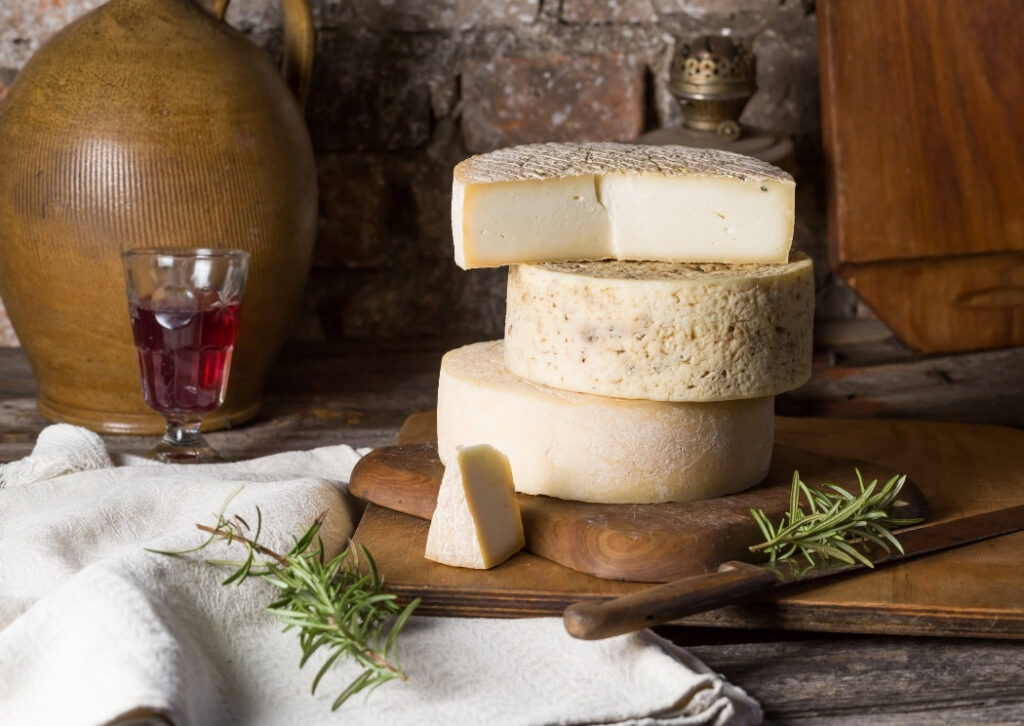
Here's how to incorporate goat cheese into your daily life
Breakfast and lunch crumble a small piece of aged goat cheese over an omelet or salad. You get a lot of flavor with few grams.
Hot dishes Grate thinly over roasted vegetables or vegetable pasta. If you want creaminess without a lot of cheese, make a quick sauce with vegetable cooking cream and give the cheese tone with a little bit of aged goat cheese.
Drink Combine cubes with grapes, nuts and olives. One ripened variety is often enough. That way you keep a grip on your portion.
Oven and quiche use goat cheese as a seasoning. Thin slices on top give a lot of perception while keeping the overall amount low.
Plant-based alternative If you react to milk protein, build flavor with a savory crumble of breadcrumbs and olive oil, a spoonful of miso or noble yeast flakes. Creaminess works fine with oat or soy-cooked cream.
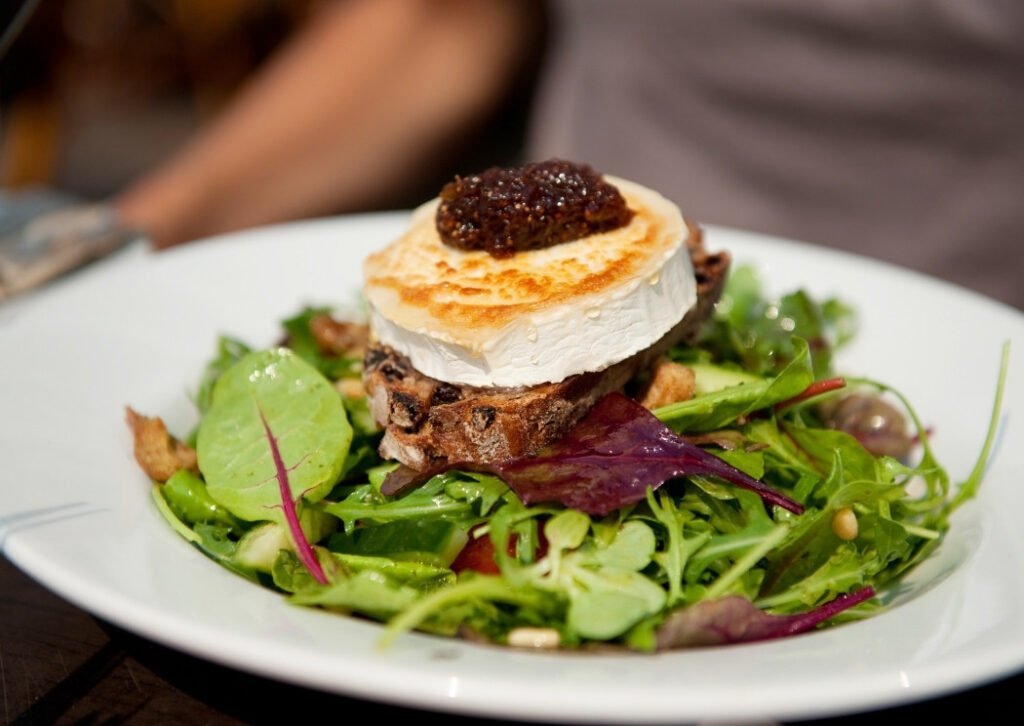
How healthy is goat's milk compared to cow's milk
Both provide protein, calcium and B vitamins. Goat milk often has a slightly different fat distribution and protein composition, which some people like.
Cow's milk usually contains a bit more vitamin B12 and folate, some goat milk products score just slightly higher on vitamin A and potassium. In nutritional value they are close to each other. Your choice mainly depends on your goal: avoiding milk protein is best done with plants, limiting lactose can be done with small portions of mature cheese or with lactose-free dairy.
FAQ
Is goat cheese lactose-free?
No. Soft and young goat cheeses still contain lactose. Maturation reduces the lactose content. A well-ripened goat cheese often falls better, but always test with small portions.
Does heating help lower lactose?
Heating hardly changes the amount of lactose. It is mainly maturation that makes lactose disappear.
Can goat milk or goat cheese be used for cow's milk intolerance?
Sometimes it does. Goat milk is not cow's milk and may go well with some. Stay alert and test with small portions and rest phases. If you do react, choose lactose-free or plant-based alternatives.
Is goat's milk or goat's cheese suitable for cow's milk allergy?
No. The proteins are very similar to cow's milk protein and can also cause an allergic reaction. Always consult with your doctor or dietician.
What label hints help choose quickly?
‘Contains milk’ in the allergen box says something about milk protein. ‘Contains sugars’ around 0 g per 100 g often indicates little residual lactose. Your own reaction remains the deciding factor.
Continue reading at NooMooo
Handy to include: reading labels for milk ingredients, lactose vs milk protein and what lactase does.
NooMooo disclaimer
This blog is informational and not medical advice. For allergies, consult with your doctor or dietician. For intolerance, test with small portions and rest phases. Products and recipes can change. Always check the current label.

 Nederlands
  English
  Español
  Deutsch
  Français
  Italiano
Your reading tip for now
Blog Cow's Milk
What are milk proteins?
Casein and whey explained, from udder to intestines Milk consists not only of water and...
May
Blog Cow's Milk
Cow milk-free diet when breastfeeding: here's how to do it smartly
Your baby is breastfed and has symptoms in which cow's milk may be a factor. You want...
Sep
Blog Cow's Milk Lactose
With cow's milk intolerance, can I still stand buffalo mozzarella?
Smart choice and targeted testing without tummy hassles Buffalo mozzarella is soft, creamy and beloved on pizza....
Aug
Blog Cow's milk free recipes Recipes
Message test 1
Blog Cow's Milk Lactose
Why your tummy might say 'no' to cow's milk
From lactose to protein and exorphins: this is what cow's milk does to your body Cow's milk. For the...
Aug
Blog Lactose
Symptoms of lactose intolerance in children
Recognize the signs and help your child without tummy troubles Your child complains after yogurt about...
May